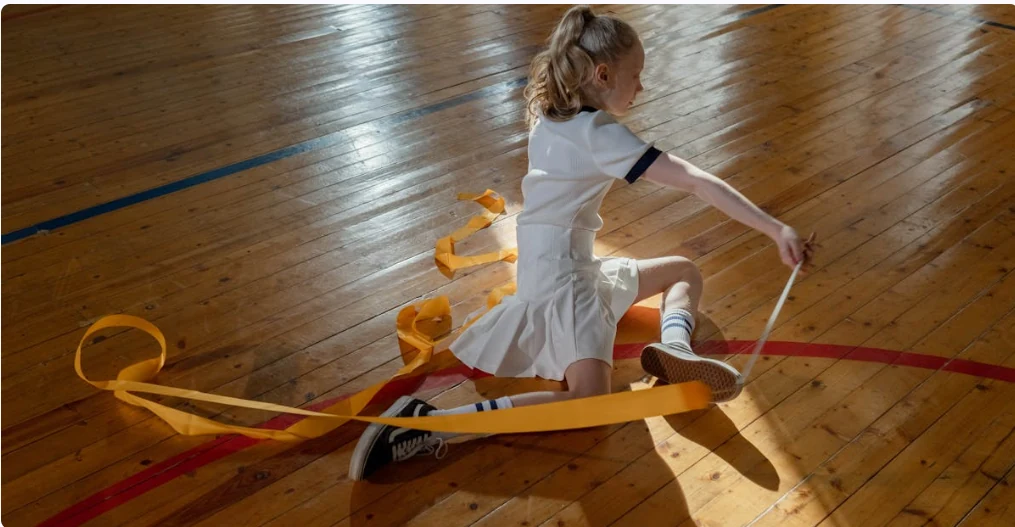
The sports bag stays by the door. A child who once looked forward to practice no longer wants to go. Parents may immediately think about the commitment, the fee already paid and the team relying on them.
First, find out what “quitting” means. The same words can describe a temporary problem, an overloaded week or a genuine change of interest. Nemours KidsHealth recommends a calm conversation to understand the reason. 1
Find a moment when you can listen
Specialists interviewed by Children’s Hospital Colorado suggest talking away from an emotional game or a rushed departure. Understanding the child’s experience comes before deciding what happens next. 2
These prompts are suggestions for a conversation, not a questionnaire:
- “Tell me about a session you did not enjoy.”
- “What would you like to keep about this activity?”
- “Is it hard before you leave, or during the game too?”
- “If we could change one thing, what would you choose?”
Allow pauses. Children may struggle to find words or need to return to the subject another day. Starting with the cost of membership can shift the conversation towards guilt rather than what is happening.
Understand the situation before suggesting a fix
This table is an editorial conversation aid, not a diagnostic test.
| What the child says | Something to explore | A possible next step to discuss |
|---|---|---|
| “I am too tired” | How much room is left for rest? | Look at the weekly schedule and travel together. |
| “I can never do it” | Which particular task feels too difficult? | Ask the leader about a more accessible progression. |
| “I do not like this sport anymore” | What would they like to try instead? | Explore a different activity before committing. |
| “I do not feel comfortable with them” | What is actually happening? | Listen to the facts and consider safety before returning. |
Some difficulties with a teammate or coach may be resolved through discussion with the club. Tiredness may call for a lighter schedule. Nemours emphasises involving children in possible solutions in an age-appropriate way. 1
Protect enjoyment and recovery
The American Academy of Pediatrics encourages enjoyable participation, varied activities and time to recover. Performance pressure and intensive focus on a single sport can contribute to burnout. Refusing one practice does not, by itself, establish that a child is burned out. 3
One possible family adjustment is to remove an optional practice and agree when to talk again. This is an example, not a prescription or mandatory trial period. Decide what you hope to notice: is enjoyment returning? Does the child feel heard? Does the change address their actual concern?
Persistence does not mean tolerating harm
Completing a period of commitment can be discussed when there is no danger or significant distress. Children’s Hospital Colorado also stresses that stepping away can be healthy and is not a failure. 2
Bullying, violence, humiliation or concerning comments require protective action. Do not make further attendance a lesson in “toughening up.” The AAP advises parents to take possible abuse and complaints of mistreatment seriously. 3
Persistent pain or injury needs assessment rather than pressure to continue. AAP guidance on overuse injuries highlights recognising symptoms and adjusting activity with a health professional. 4
Plan what comes next together
Leaving a club does not have to mean giving up movement. A shared walk, dancing at home or trying a different activity can leave room for choice. Nemours recommends finding another activity when a child leaves their sport. 1
Adults should handle the practical arrangements: notifying the club, returning equipment and checking any administrative steps. A child can participate without having to defend the decision alone.
Should I persuade them because they are talented?
Talent alone does not answer questions about enjoyment and well-being. Ask what your child wants from the activity so that they have a meaningful part in the decision.
When should we seek additional help?
If distress affects other parts of life, persists or worsens, talk to the child’s doctor. Children’s Hospital Colorado recommends seeking advice when burnout is affecting mood. 2 Families and activity leaders can support a child, but cannot replace an appropriate assessment.
Sources & further reading
- Nemours KidsHealth — When Kids Want to Quit a Sport
- Children’s Hospital Colorado — What to Do When Your Child Wants to Quit a Sport or Activity
- American Academy of Pediatrics — Burnout in Young Athletes: How to Keep the Fun in Sports
- American Academy of Pediatrics — Preventing Overuse Injuries in Young Athletes